An Economy of Ripeness
 VN –
01 Mar, 2026
VN –
01 Mar, 2026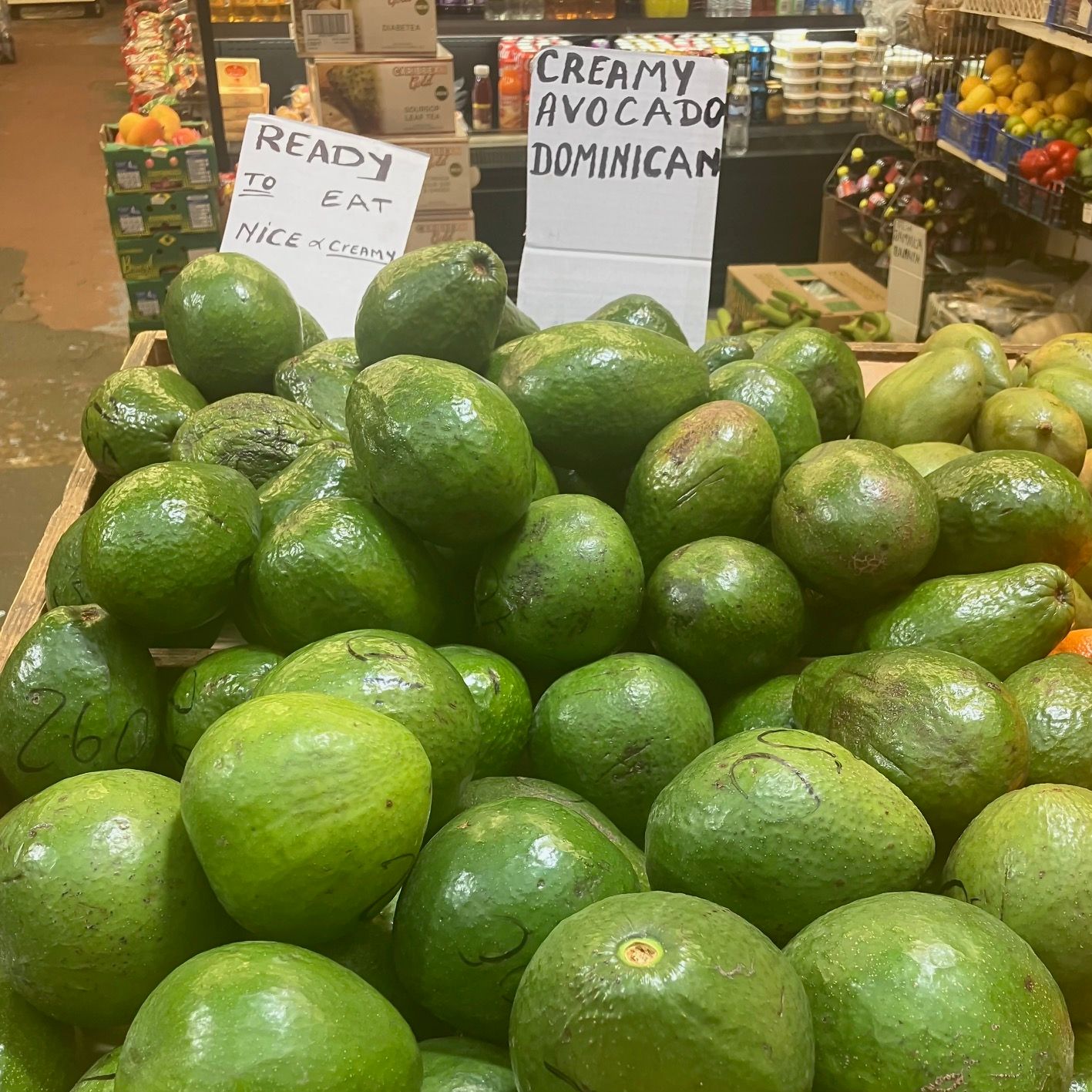
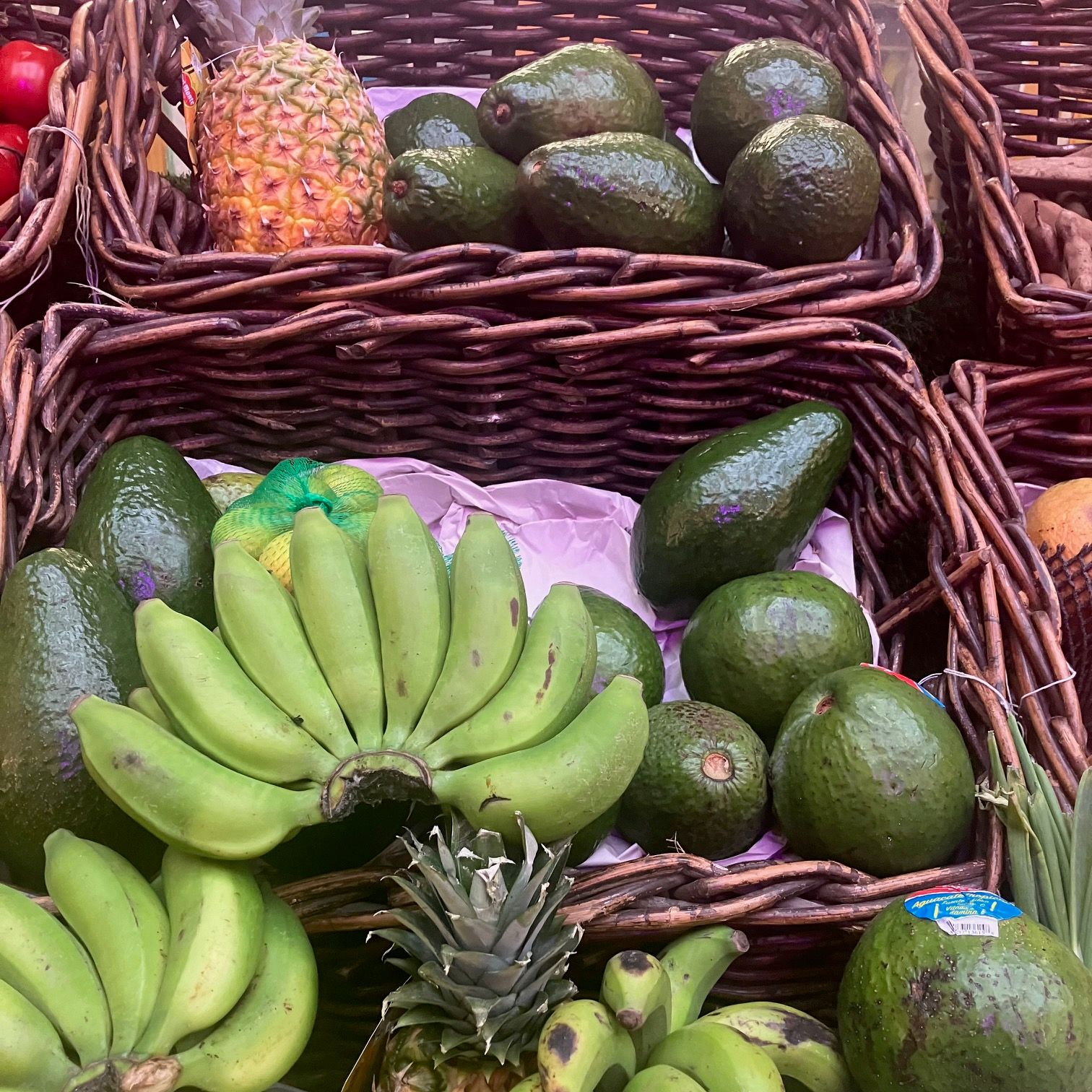
Avocado, aguacate, palta, butter pear, alligator pear – whatever you know this ubiquitous green fruit as – has long been a staple of my diet, but also a conundrum that troubles me. Dense, rich, versatile, nutritious, delicious. I’ve seen avocados growing on the street in Ghana, and I regularly buy them in the markets and supermarkets of south London. It’s always a task to find those that have not been grown in a war zone or by an oppressive regime. Or where the farmers are not being extorted by drugs cartels.
Despite originating in Mesoamerica, here in the UK, the predominant variety is ‘Hass’, which comes from California and make up around 80% of avocados farmed globally. Its popularity due to its thick, textured skin, makes it ideal for exporting. So, what’s my problem? I’ve noticed that supermarkets charge more for ripe avocados than unripe. In London, you can pay double the price for the ripe version of the fruit (same size) as for the unripe. People are paying for convenience, of course. Time is literally money. In the same supermarket, ready packaged, the pricing goes something like:
4 unripe avocados = £2.10
1 ripe + 1 unripe avocadoes = £2.10
2 ripe avocadoes = £3.70
Apparently, this is a legitimate practice known as 'price discrimination'. I run a social enterprise supporting people in financial need by directing them to emergency food; these things really bother me. And as a consumer on a budget, I don’t like it either.
At the same time, avocados often resist the algorithms, marketing, and barcodes the supermarkets use to try and categorise them. Often, avocados packaged as ripe will be granite hard, and vice versa. They ripen when they are good and ready.
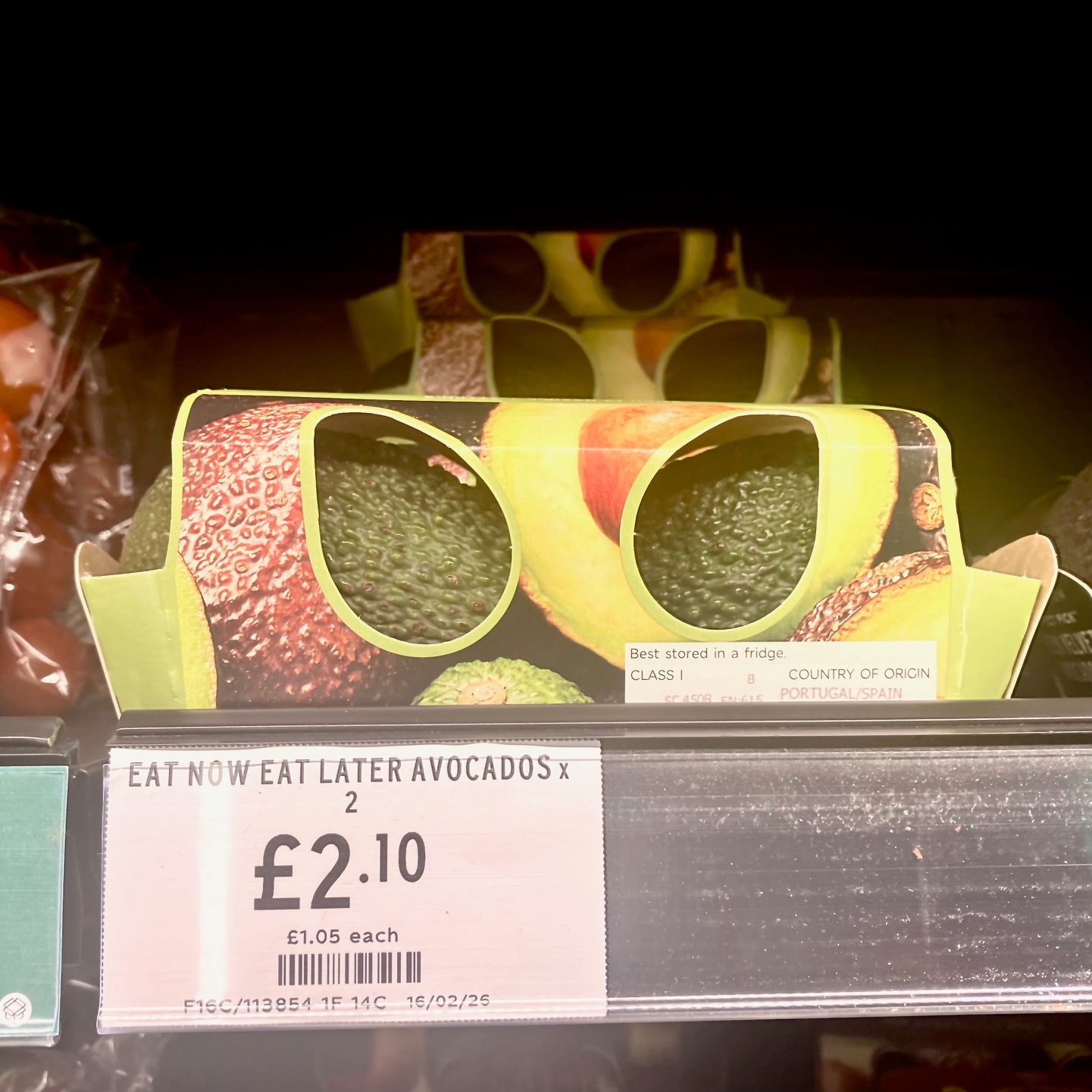
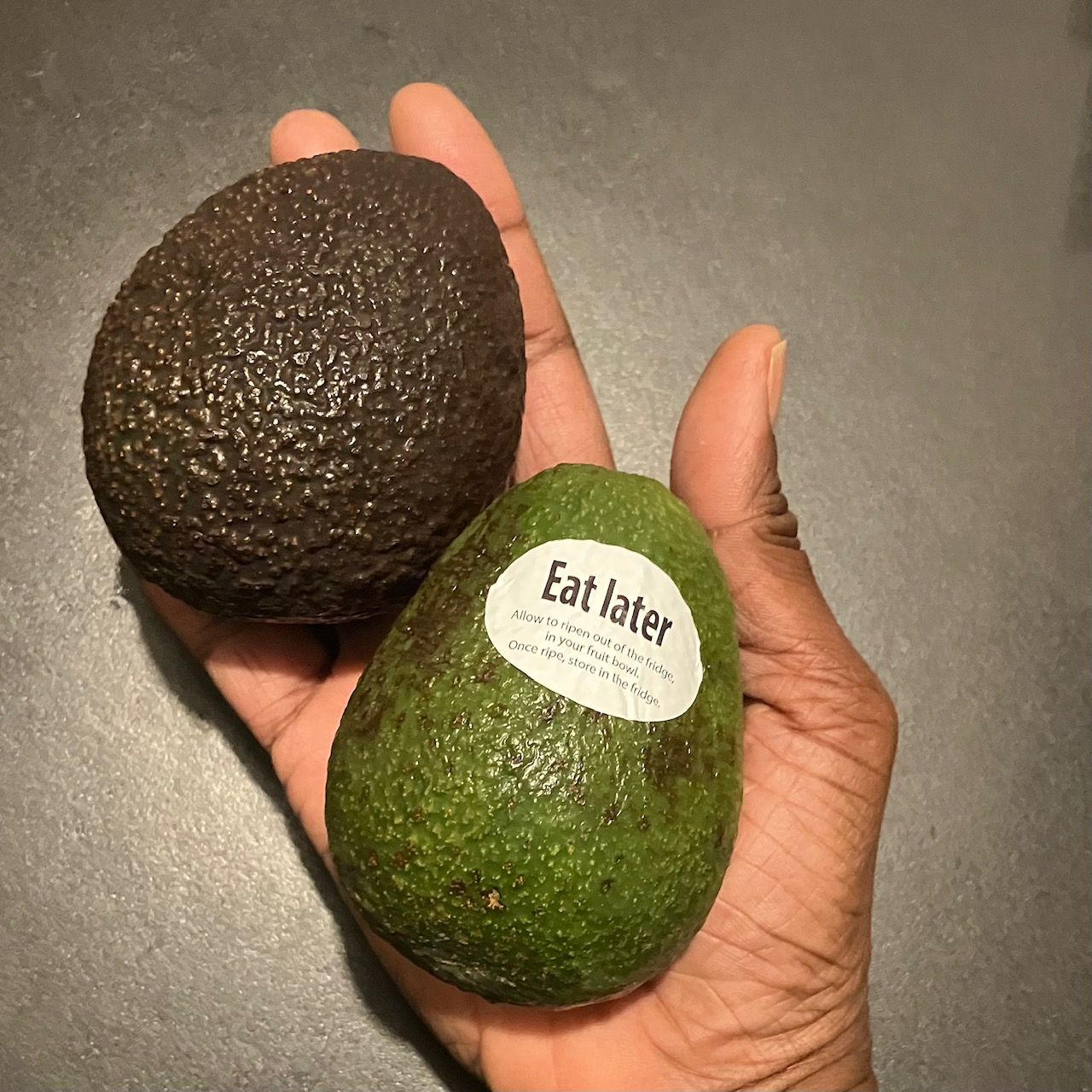
I recently bought a supermarket pack containing 1 ‘ripe & ready’ avocado, and 1 ‘ripen at home’. On opening the pack, I discovered a white, plastic, label explaining which was the unripe fruit and that I should ‘eat later’ (whenever ‘later’ might be). I was without words. This speaks of how far removed from our connections to food we become when supermarkets are involved – the smells, textures, tastes, that tell us when food is unripe, ripe, over-ripe, or rotten. A lack of confidence develops. It is a clumsy, unnecessary, attempt by the supermarket to educate its customers. Of course, if consumers don’t want to be patronised, they can always shop elsewhere.
So, what is my response? I try to limit how much food I buy from supermarkets. Being realistic, I doubt it will ever be 100% avoidance. I am blessed to live in Brixton where there is an abundance of affordable, fresh fruit and vegetables for sale. In the market, they also sell Caribbean avocados – varieties include Pancho, Lojano, and Pautena. Huge, thin-skinned, glossy, deep green fruit, sold by weight. This makes sense to my analogue brain. In an era of self-check outs and online grocery shopping, for some, it may involve an unworkable amount of time, effort, and confidence to shop in a street market. It may seem alien. For me, it is a modest means of pushing back.